
The ADMIRABLE project is a research initiative
developed within the Operational Processes Program
and the Shipyard 5.0 initiative.
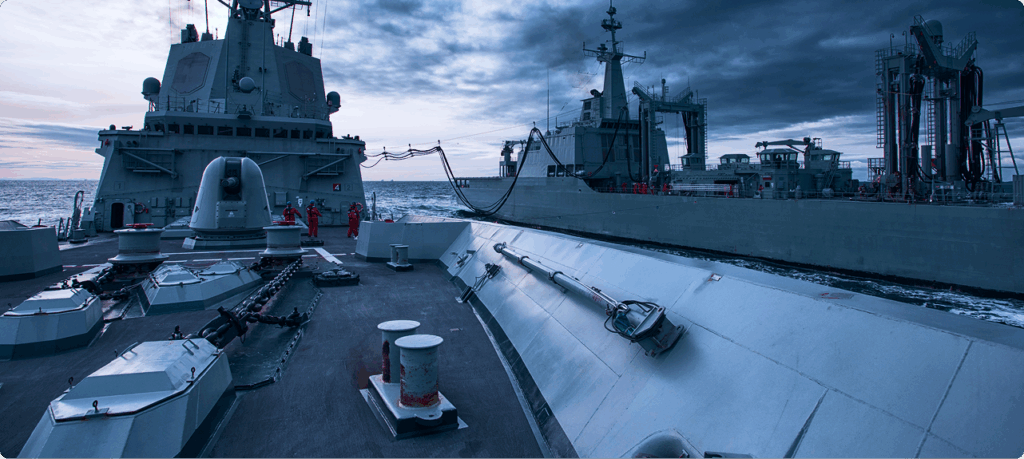
Responding to this challenge, the ADMIRABLE project offers significant advantages over existing materials and manufacturing processes for defense structures. The ability to produce complex, lightweight, and armored structures quickly, cost-effectively, and with customization would be a major enhancement for the naval defense sector. For instance, in military naval vessels, most superstructures (above the main deck) are primarily made of steel due to its well-documented structural functionality. Typically, this requires the application of paint to prevent corrosion and chemical damage.
Under this scenario, the ADMIRABLE project proposes a structural material characterized by low density, combined with ballistic and explosion protection, as well as extensive coverage across multiple frequency spectrums—all integrated into a single, optimized multifunctional material that significantly surpasses the capabilities of steel.
This initiative is structured into four distinct phases:
Lorem ipsum dolor sit amet consectetur adipiscing elit semper dalar
elementum tempus hac tellus libero accumsan.

Knowledge generation:
The initial phase focuses on the engineering aspects of the complete system and the definition of
requirements.

Knowledge integration:
This phase aims to identify the most effective solutions by researching suitable new materials that can meet the requirements, subsequently addressing the supply chain, combined materials, and advanced manufacturing processes.

Studies:
This phase focuses on the identification of materials, as well as meeting circular, environmental, and fire-resistance requirements.

Design:
The final phase targets the design of a new material capable of meeting key requirements, including low observability, low density, and enhanced ballistic, thermal, and fire resistance.
The anticipated solution is not only centered on ensuring the material meets all specified requirements but also on identifying the manufacturing process that offers the most optimal solution. The process should minimize costs, be appropriate for the studied materials, and achieve the desired balance between cost efficiency and performance effectiveness.
Work Packages
The project is structured in four phases
- Knowledge Generation: System engineering and requirement definition.
- Knowledge Integration: Material solutions and supply chain development.
- Studies: Environmental, fire, and circularity assessments.
- Design: Functional layer design for stealth, thermal, ballistic, and fire resistance